______________________________________________________________________________
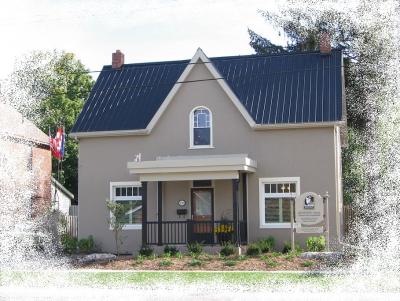
120 Hume Street
Collingwood, Ontario L9Y 1V5
CANADA
Tel: 705.444.8805
Fax: 705.444.5482
* Parking behind YMCA - Central Parking Lot, 45 Paterson Street
______________________________________________________________________________
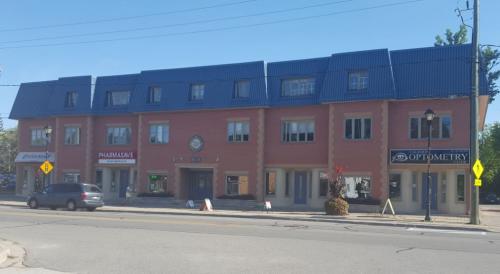
Suite 304 - 15955 Airport Road
Caledon East, Ontario L7C 1H9
CANADA
Tel: 905.584.1458
Fax: 905.584.1461
______________________________________________________________________________
Suite 100 - 1 Robert Speck Parkway
Mississauga, Ontario L4Z 3M3
CANADA
______________________________________________________________________________
Province of Nova Scotia, Canada
______________________________________________________________________________
greenland@grnland.com OR urbanwater@grnland.com
______________________________________________________________________________
AODA Customer Feedback form
"Accessibility for Ontarions with Disabilities Act" (AODA) Policies & Procedures available on our "Corporate Policies" page of this website. Or please see our General Customer Feedback form
______________________________________________________________________________
Website designed by Pinpoint Graphics
______________________________________________________________________________


City of Greater Sudbury
Re: Capreol Downtown Waterfront CIP and Whitson River Waterway Trail
The City of Greater Sudbury has used the services of Greenland International Consulting Ltd. for the design of the Capreol Downtown Waterfront and the design of the Whitson River Waterway Trail.
Greenland delivered both projects on budget and provided consistency in its leadership from the landscape team. This stability in project management meant that we were working with a company who was familiar with the City’s project and consultation processes.
The Capreol Downtown Waterfront improvements were constructed in 2018 in time for the community’s 100th anniversary and incorporated the community’s railway history into the design. Greenland was skilled at integrating the wishes of the community into cohesive and creative designs that provide great connections between the Community’s main street areas and natural features.
Melissa Riou, MCIP, RPP
Senior Planner
Community and Strategic Planning
Growth and Infrastructure Department
City of Greater Sudbury
December 23, 2020
Corporation of the Town of Collingwood (Canada)
RE: Presentation of the Stormwater Management Master Plan Phase II Final Report to Council.
I really appreciate Greenland’s support throughout this project.
Amber Leal, BSc., C.E.T., Dipl.M.M., PMP
Manager, Development Engineering
Infrastructure
Corporation of the Town of Collingwood (Canada)
August 12, 2026
NRC-IRAP
I am writing to acknowledge the completion of a successful R&D project funded by the National Research Council’s Industrial Research Assistance Program (NRC-IRAP).
Your firm’s performance on the project was excellent, and your team was a pleasure to work with.
The CANWET product that you have commercialized since the end of the project represents a strong step forward in your field, and you should be proud.
We wish you well in the successful commercialization of the technology, and the continued growth of your firm which will contribute to the Canadian economy.
Doug Reed
Industrial Technology Advisor
NRC-IRAP
July 8, 2011