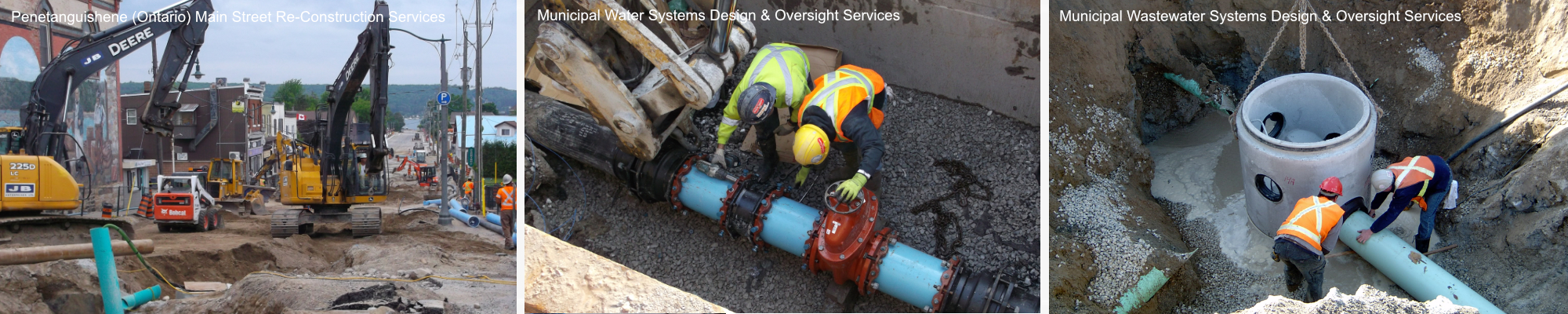
As each project requires a tailor-made approach, GREENLAND® knows the necessary planning, engineering and consultation tasks. Our team driven solutions serve as ‘blueprints’ for sustainable development.
We have developed many defendable infrastructure designs for urban land growth areas. These solutions have also included rural and recreational aesthetics, as well as economic opportunities afforded by the new development and preservation of ecosystems for the long-term health and benefit of all residents and stakeholders.
Our project approach identifies solutions that serve individual developments and those for the wider community. This provides the basis for effective staging and implementation of provisions for financing (such as our PPP model).


Moriyama & Teshima Architects
On behalf of Moriyama & Teshima Architects, I would like to thank you for your high level of competence and involvement expressed in the design process on the Keele Street Public School Addition and Renovation project… I felt you were integral and instrumental in coming in and taking the project from an ill-fated design…to design completion, tender and the approvals stage. You showed high levels of knowledge and understanding in your field, and your thoroughness and professionalism have led to the success of this project to date. I am thoroughly satisfied in the way you designed the services system, dealt with authorities having jurisdiction, and for your recommendations regarding budgetary concerns.
I would not hesitate in recommending you as a civil engineering consultant on any further project I am involved with.
Gene Ascenzi B.Arch, OAA, MRAIC, LEEP AP
Project Manager
Moriyama & Teshima Architects
August 25, 2014
Member of Parliament - Simcoe-Grey
I would like to offer my congratulations as you celebrate the occasion of your 25th Anniversary.
Your grasp of environmental and development regulations in the Canadian market, and ability to work collaboratively with private and public partnerships in the delivery of award-winning engineering and technologies supporting municipal infrastructures, water resources, asset sustainability and more is most valued.
I wish you many years of prosperity and success in Simcoe-Grey.
Terry Dowdall
Member of Parliament for Simcoe-Grey
November 1, 2019
Town of Saugeen Shores (Ontario)
RE: Southampton 2-Zone Flood Mapping
The Town very much appreciates your efforts and the work done by Greenland Consulting Engineers. It has been a pleasure working with you. I would be happy to rely on your services again in the future, should the opportunity arise.
Thank you and all the best,
Candace Hamm
Development Services Officer
Town of Saugeen Shores
September 5, 2025