

Landrex
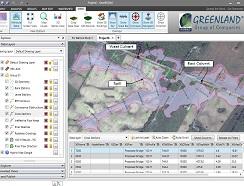
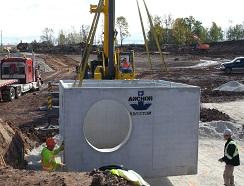
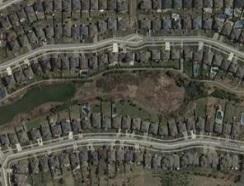
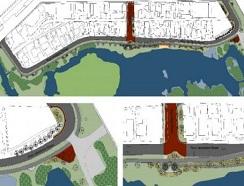
Landrex is currently working with Greenland and business partner, Clearflow Group, to develop strategies to improve the functionality of stormwater management facilities in Landrex's (ie the City's) existing and future communities in North St. Albert, namely within the Erin Ridge North neighbourhood.
Landrex has been impressed with the collaborative and innovative approach that Clearflow and Greenland provide; they are a solutions-based group that are tremendously attentive, responsive and client focused. We believe they would be an extremely valued partner to the City of Saint Albert and represent the qualified, licensed, and professional consulting firm that the City so seeks.
Jim Sheasgreen, P. Eng.
President
Landrex Inc.
May 15, 2018
Six Nations Council
On behalf of the Environment Office of the Six Nations of the Grand River, we would like to thank Greenland International Consulting Limited for the work completed to prepare the Master Drainage and Flood Remediation Plan (MDFRP) for the McKenzie Creek watershed. This plan has now enabled our office to identify the flood prone residences throughout the watershed with the flood plain mapping that has been prepared as part of this assignement. We appreciate the role that Greenland has played in assisting our office in directing Public Works with prioritizing the remedial projects to be completed in the flood prone areas.
We also appreciate Greenland's effort in assisting the Six Nations of the Grand River with the preparation of funding applications to secure the resources to complete these remedial works. We are convinced that this MDFRP can be used as a template for completing similar drainage and flood remediation works both locally and in other First Nations lands.
We look forward to working with your company again in the near future on the remaining watersheds that need this important work done.
Thank you for your ongoing assistance.
Clynt King
Environmental Technician
Six Nations Council Environment Office
July 25, 2016
City of Toronto
Mayor David Miller and Members of Toronto City Council extend appreciation to Greenland Group of Companies for your outstanding contribution to the City of Toronto’s Green Roof Technical Advisory Group. As a participant of the City of Toronto’s Green Roof Technical Advisory Board, you have contributed tremendously to its leadership role on climate change and helped support the development of the Toronto Green Roof By-law.
This initiative, the first of its kind in North America, sets the standard in designing sites and buildings across the city that are more environmentally friendly, a key strategy in reducing the effects of climate change.
We thank you for helping our city achieve its vision and goals on climate change – it is this kind of collaboration that makes us proud, prosperous and successful.
Best wishes for continued success.
David Miller
Mayor
City of Toronto
May 2010

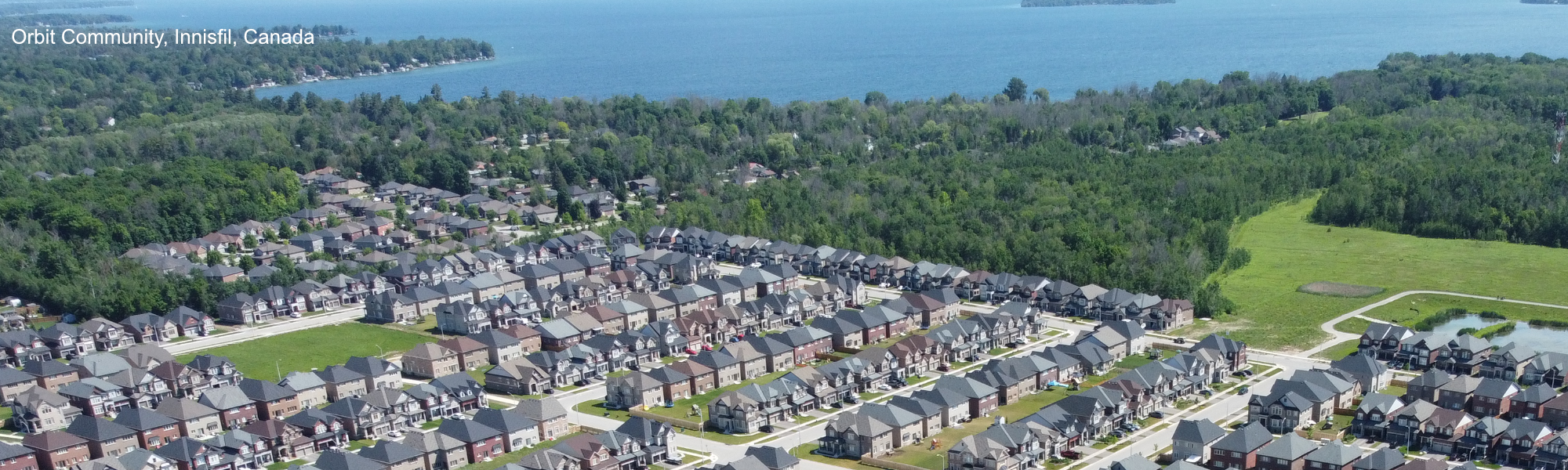
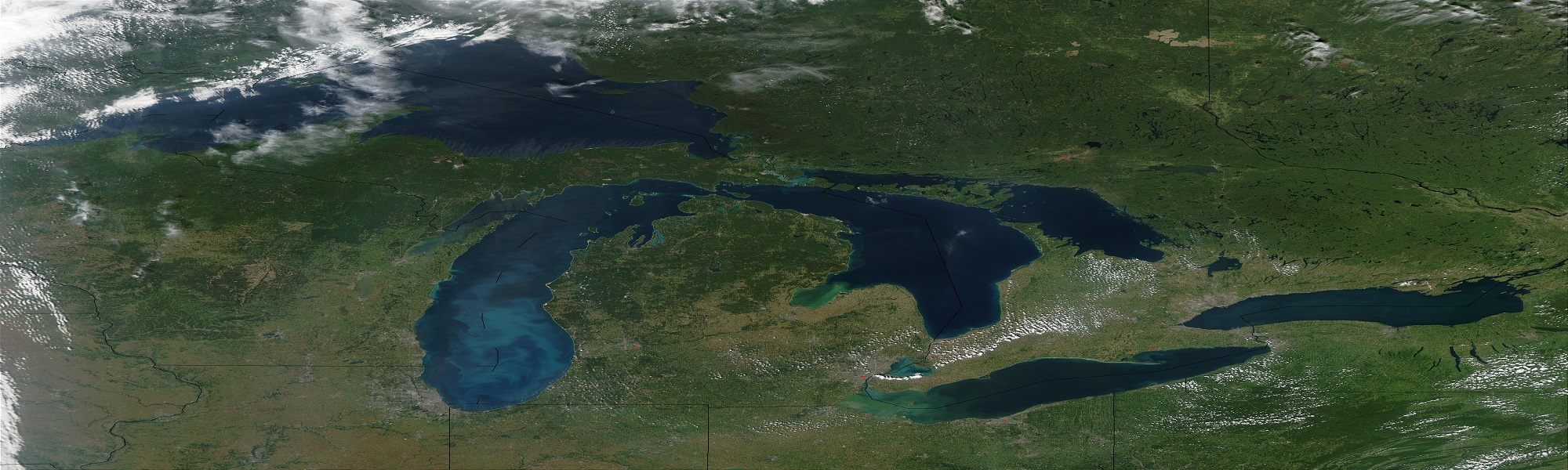
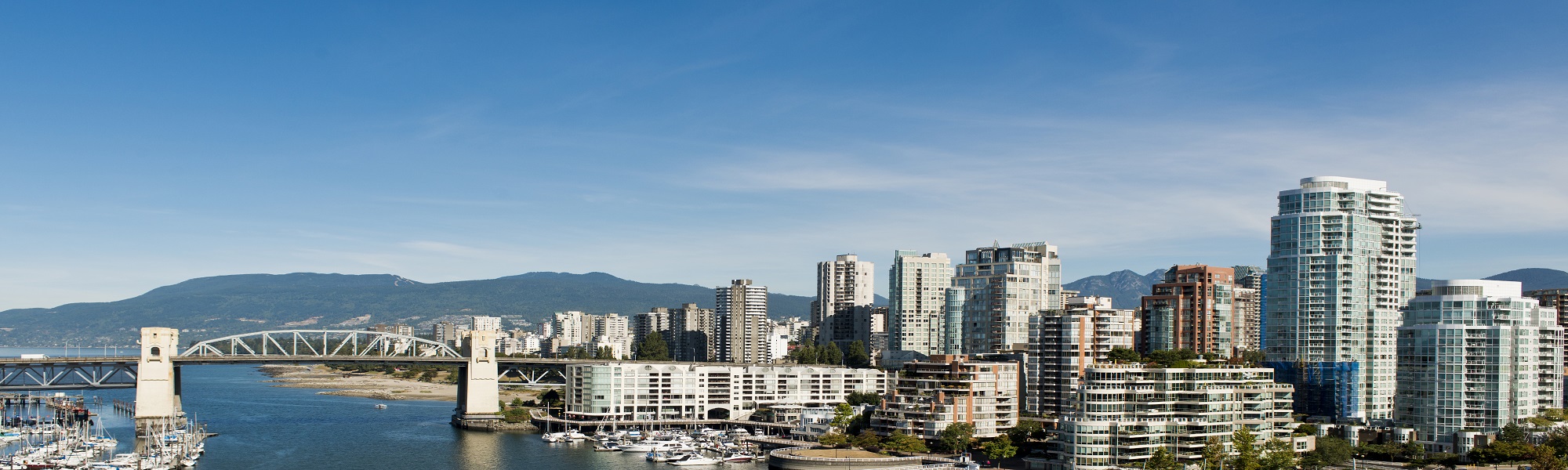
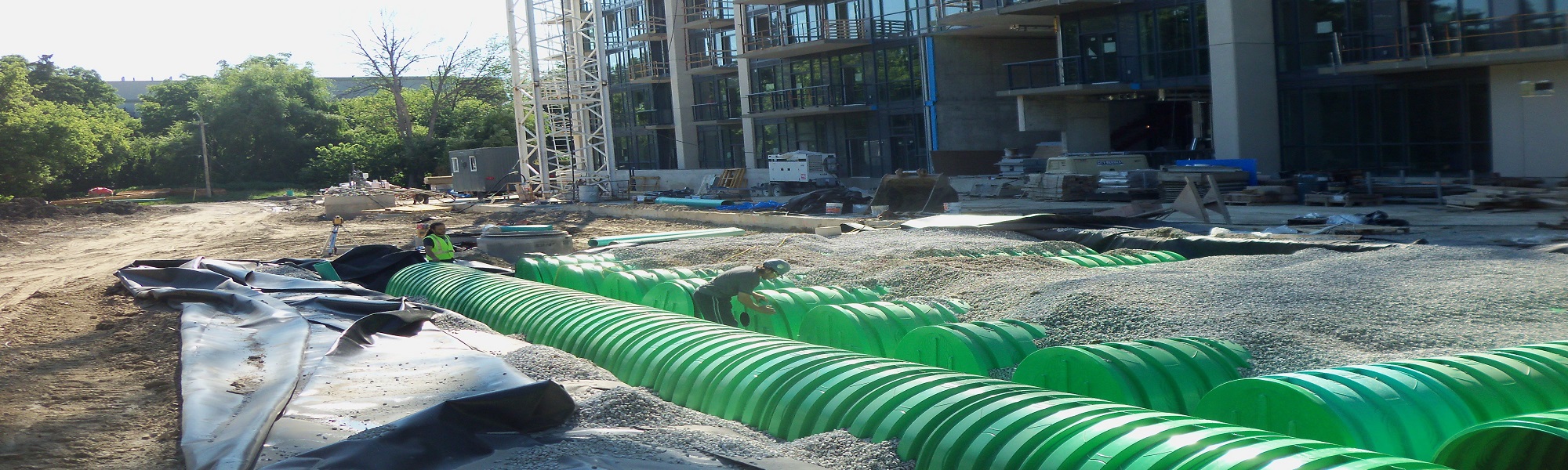

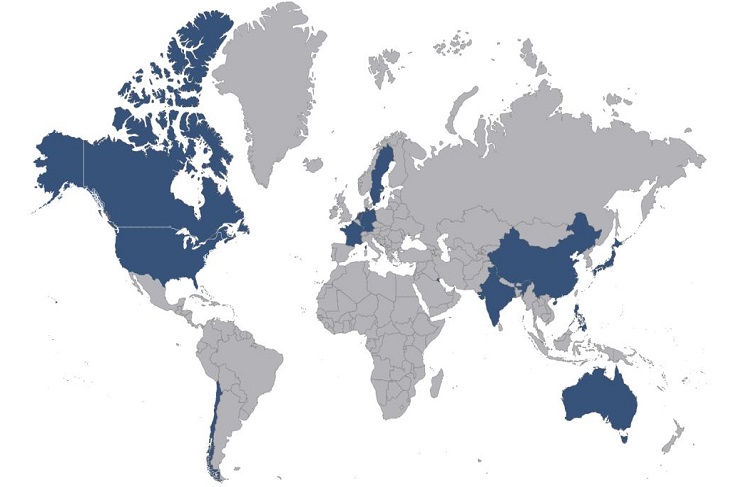
 GREENLAND® Group of Companies Inc. is an Ontario (Canada)-based, award winning enterprise that specializes in municipal infrastructure; environmental and water resources engineering; urban land engineering; and, new attainable housing communities. Including Town of Collingwood and GTA locations, staff and other strategic collaborators are located in Western Canada and Atlantic Provinces to help support a growing Public Sector, Indigenous Peoples, Utilities and Resource Industry client base. Clients have also embraced our unique brand to “redefine” the Canadian consulting engineering industry by incorporating best practices with innovative, intelligent and strategic technologies.