



Bird Construction Ltd.
Dear Team,
I wanted to extend my heartfelt thanks to each of you for your invaluable contributions to the 29 Birch Street RFP. Your dedication, insights, and collaborative spirit have been instrumental in shaping a comprehensive and compelling proposal. It’s amazing how well this team has come together and worked online, and this RFP document and team will form a repeatable and formidable approach as we see more RFPs hit the province.
On behalf of BIRD, thank you once again for your commitment and exceptional work. I look forward to our continued success together.
Sean Hart
Construction Manager
Bird Construction Ltd.
January 9, 2024
Moriyama & Teshima Architects
On behalf of Moriyama & Teshima Architects, I would like to thank you for your high level of competence and involvement expressed in the design process on the Keele Street Public School Addition and Renovation project… I felt you were integral and instrumental in coming in and taking the project from an ill-fated design…to design completion, tender and the approvals stage. You showed high levels of knowledge and understanding in your field, and your thoroughness and professionalism have led to the success of this project to date. I am thoroughly satisfied in the way you designed the services system, dealt with authorities having jurisdiction, and for your recommendations regarding budgetary concerns.
I would not hesitate in recommending you as a civil engineering consultant on any further project I am involved with.
Gene Ascenzi B.Arch, OAA, MRAIC, LEEP AP
Project Manager
Moriyama & Teshima Architects
August 25, 2014
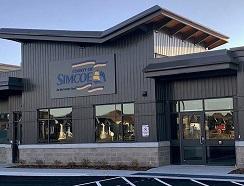
County of Simcoe
The County of Simcoe is the upper tier government and planning authority for most of the South Georgian Bay – Lake Simcoe Source Water Protection Region. The County, in partnership with its member municipalities, other levels of government, floodplain management agencies and two (2) conservation authorities, also provides leadership through policy, and actively in the restoration and protection of the environmental health and quality of these watersheds. As you know, in order to comply with, and be environmentally proactive with respect to the Province of Ontario’s “Places to Grow” legislation, the County of Simcoe utilized innovative decision support tools such as Greenland’s CANWET™ model. In 2012, CANWET™ was also used by the County to prepare a “Water and Wastewater Infrastructure Visioning Strategy”. To this day, the information in the Strategy’s final report is used by local municipalities, development interests and other stakeholders as a background reference to help identify sustainable development solutions.
This letter confirms the County of Simcoe's commitment of support which includes initially facilitating the introduction of this landmark international collaboration with all 16 local municipalities, other governments (small and large) and other agencies that partner now with the County of Simcoe on land use planning; infrastructure renewal; and flooding risk/damage reduction initiatives.
As always, I look forward to our continued working relationship with you and your colleagues and the significant benefits these efforts will have for our residents and environment. The County of Simcoe appreciates your efforts towards developing information based decision making tools and we are confident that this project will prove beneficial in our collaborative goal to improve watershed health for all County residents.
Mark Aitken
Chief Administration Officer
The Corporation of the County of Simcoe
October 19, 2015

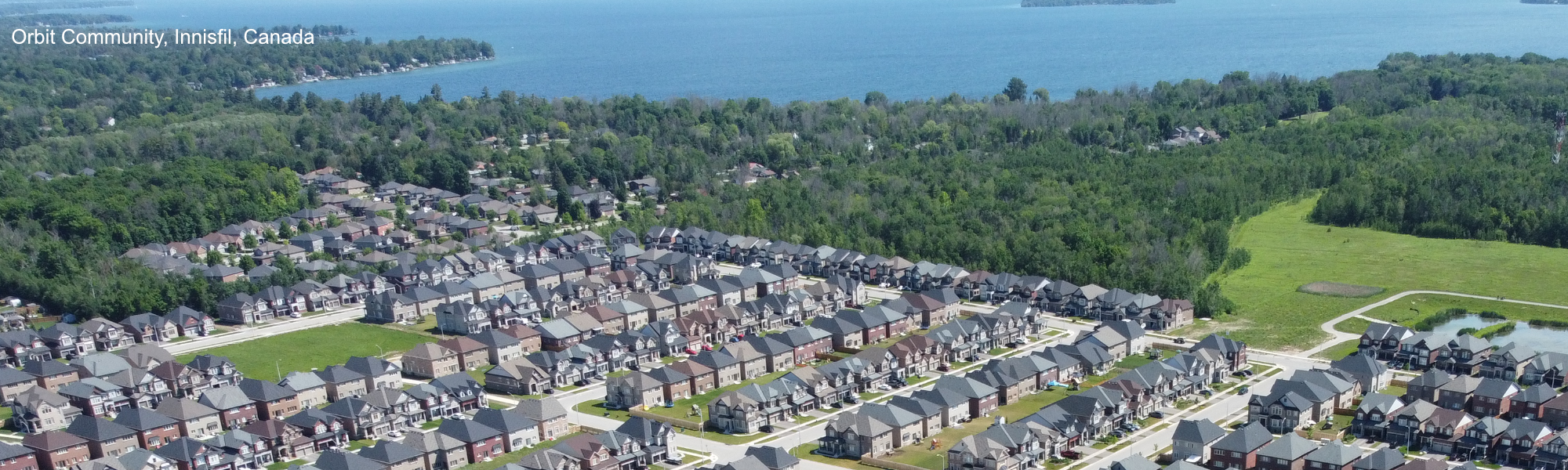

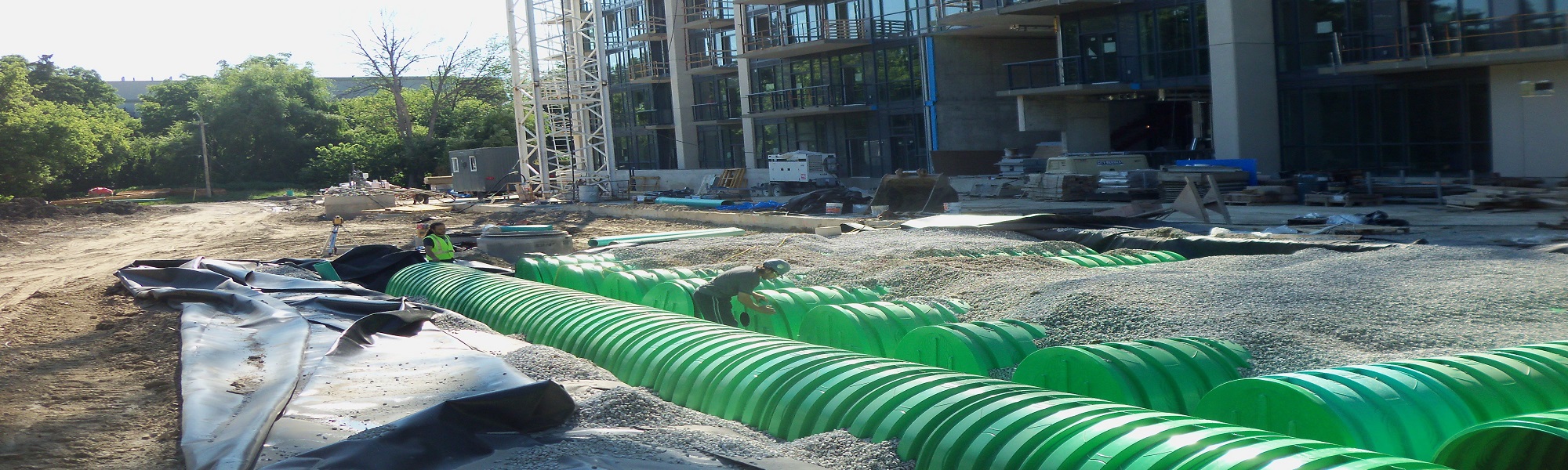

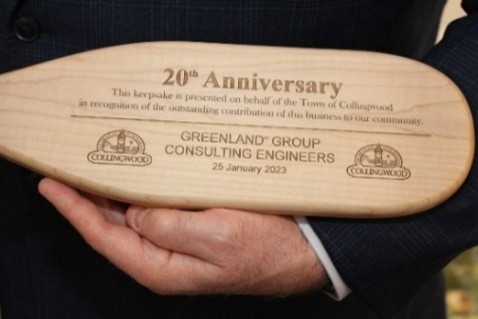
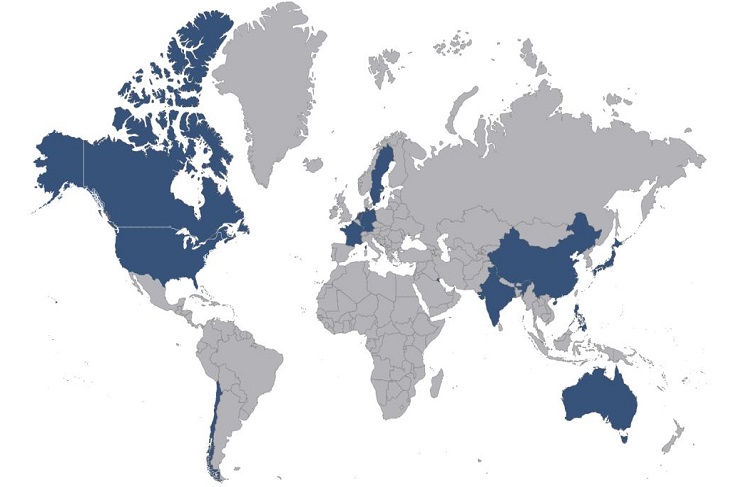
 GREENLAND® Group of Companies Inc. is an Ontario (Canada)-based, award winning enterprise that specializes in municipal infrastructure; environmental and water resources engineering; urban land engineering; and, new attainable housing communities. Including Town of Collingwood and GTA locations, staff and other strategic collaborators are located in Western Canada and Atlantic Provinces to help support a growing Public Sector, Indigenous Peoples, Utilities and Resource Industry client base. Clients have also embraced our unique brand to “redefine” the Canadian consulting engineering industry by incorporating best practices with innovative, intelligent and strategic technologies.